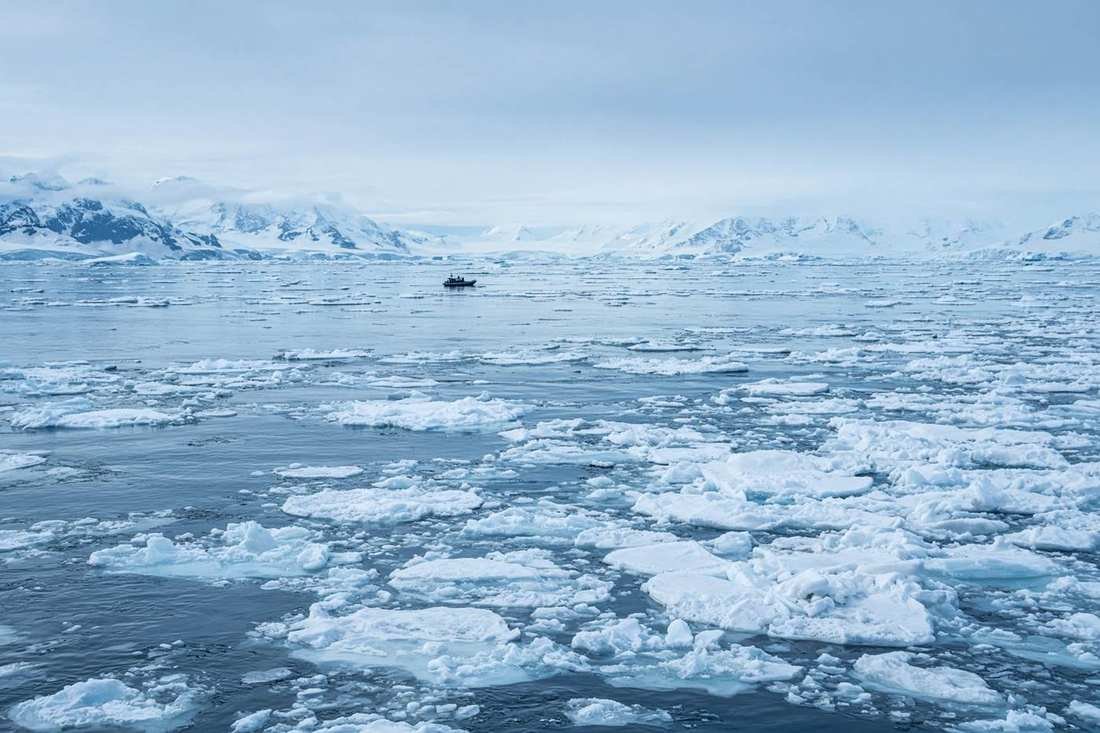
Sea ice under pale polar light

DestinationsExpedition

Remote coasts

Expedition Cruises

Compare cruise linesDeparture ports

Journey to the edge of the world. Exploring destinations like Antarctica, the Arctic, and the Galápagos requires specialized small ships designed for deep navigation, carrying anywhere from fifty to two hundred guests. On these voyages, going ashore is the main event, bringing you face-to-face with untouched icecap landscapes, breaching whales, and incredible wildlife.

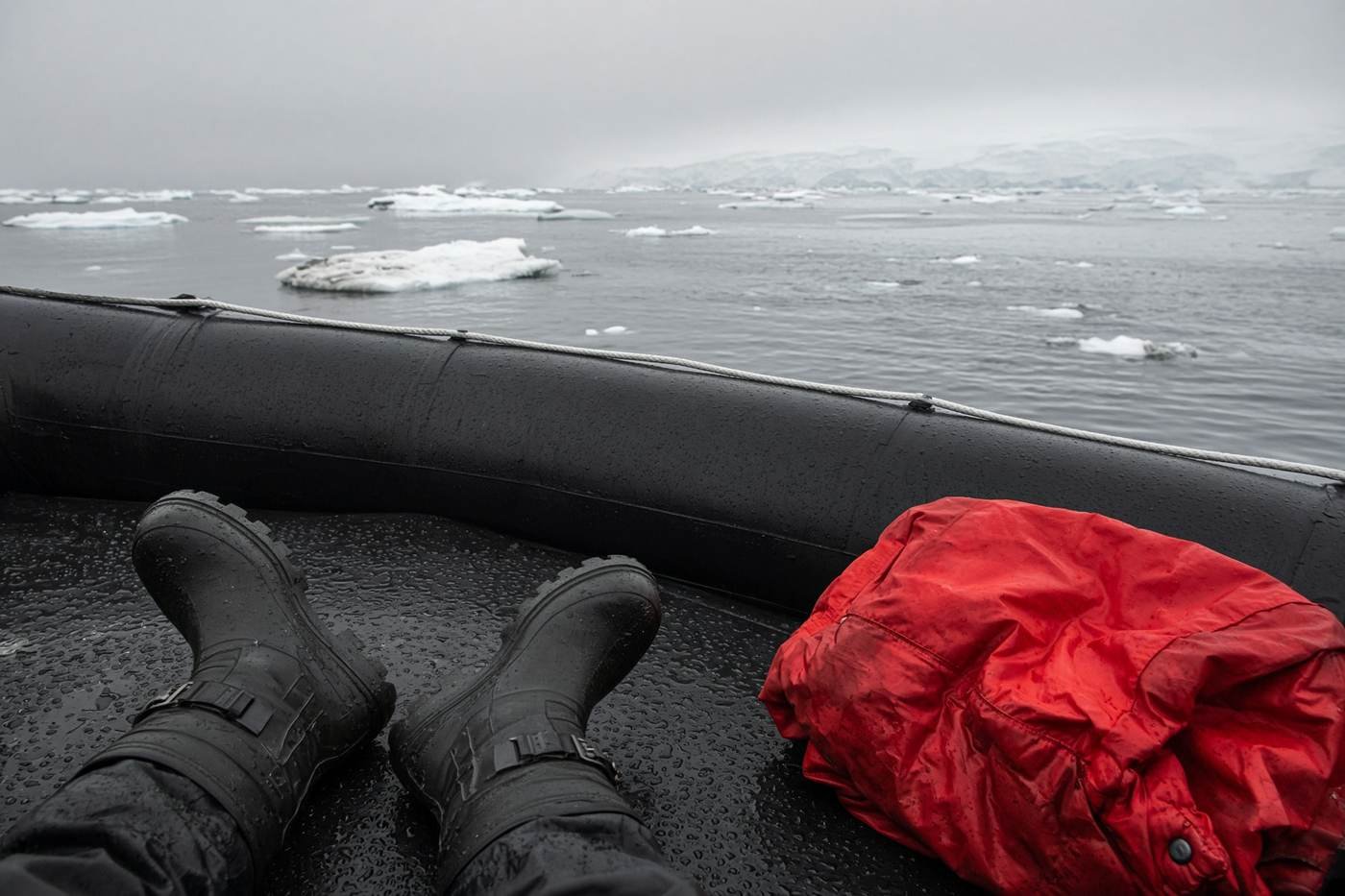
An expedition landing is a true adventure rather than a typical port visit. After gearing up in the ship-provided boots and parkas, you ride an agile Zodiac boat directly onto a rugged beach or ice flow. Because wild environments dictate these itineraries, your expert expedition guides adapt the daily schedule to the weather, ensuring you get the best—and safest—possible experience among the penguins, seals, and glaciers. On perfectly calm days, many ships even launch kayaks for closer exploration.

Lindblad, Ponant, and Hapag-Lloyd sail Antarctica, the Arctic, and the Galápagos, along with the expedition ships of Viking and Silversea. Those same small ships also sail Patagonia. UnCruise sails Alaska and the Pacific Northwest. It does not sail Antarctica or the Galápagos.

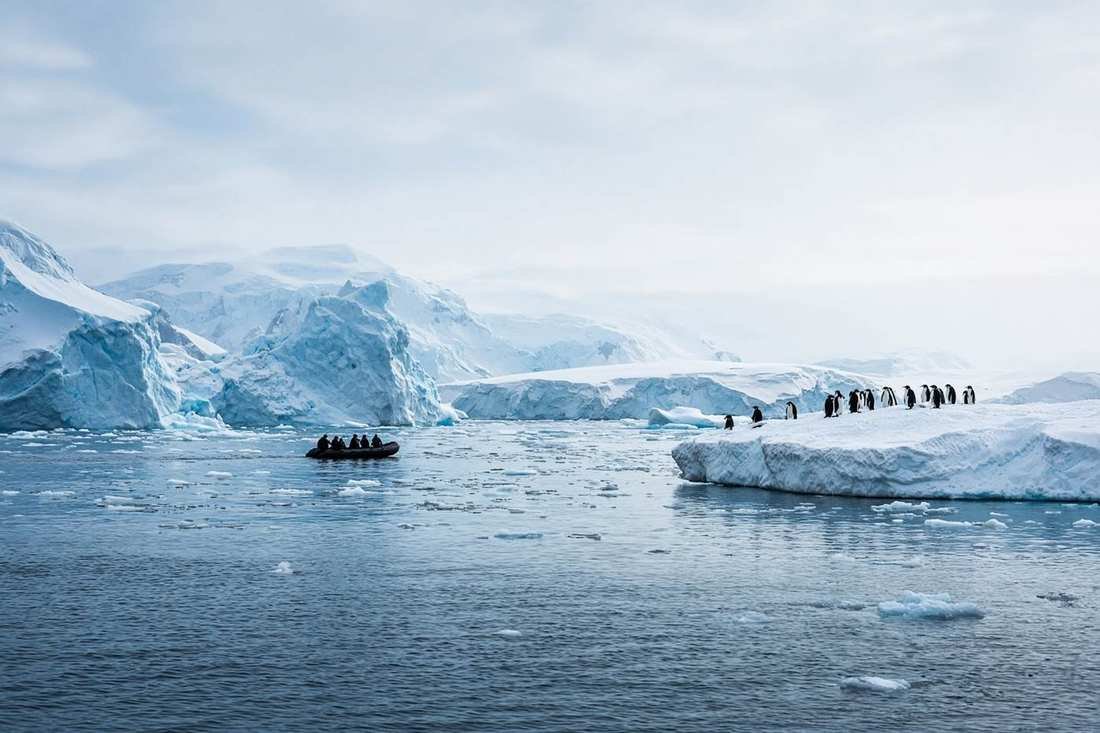
A Zodiac near penguins on an ice edge
You come ashore by Zodiac. The guides set how close you may come to the penguins.

Because the White Continent changes dramatically over its short summer, matching your travel month to your wildlife goals is essential.

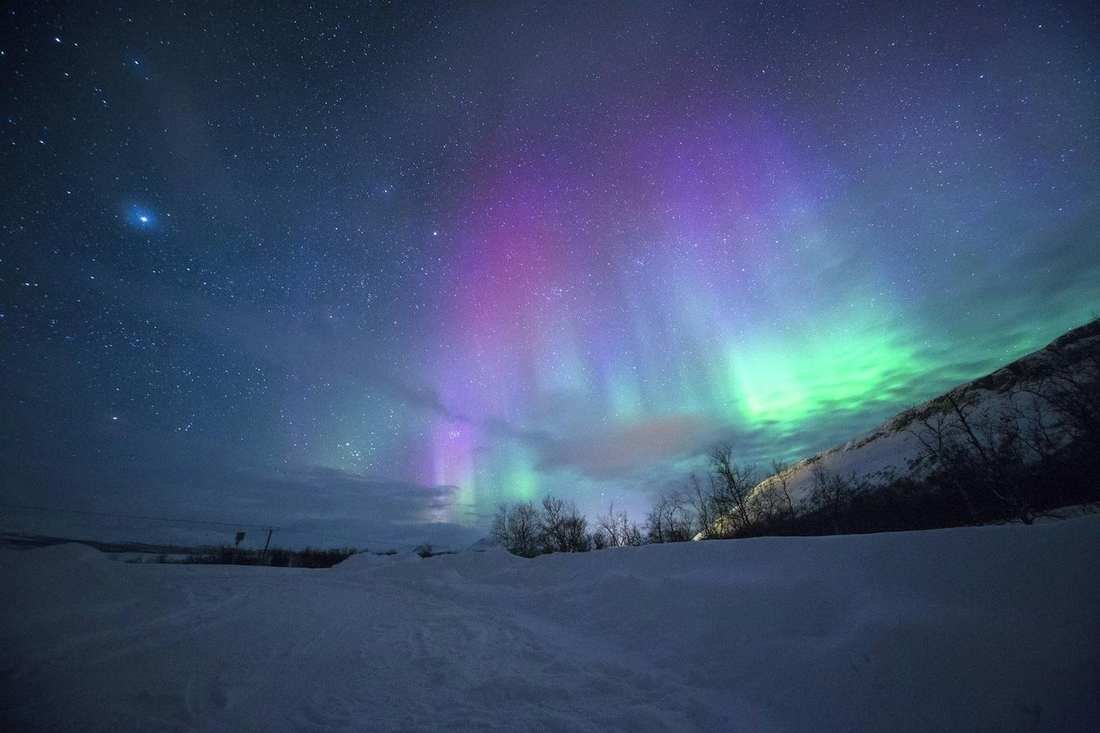
The northern lights over a snowfield
An Arctic sailing can put the northern lights over the ice.

Antarctica, by month

  • November (Pristine Ice & Courtship). November marks the breaking of the winter pack ice, revealing pristine, untouched snowscapes before the summer arrivals step foot on them. The sea ice is at its thickest, making it the perfect time for ships equipped with ice-strengthened hulls to carve through massive floes. Ashore, Adelie, Gentoo, and Chinstrap penguins pair up and frantically build their pebble nests, while massive male Elephant and Weddell seals battle to establish their breeding territories.
  • December & January (The Midnight Sun & Hatching Chicks). Peak Antarctic summer brings the warmest temperatures of the year and up to 24 hours of continuous daylight, allowing your expedition guides to schedule late-evening coastal cruises under a brilliant, surreal sky. Life explodes across the peninsula during these months. Penguin eggs hatch, filling the rookeries with fuzzy chicks demanding constant feeding, and the first major waves of migrating humpback and minke whales arrive to feed in the nutrient-rich waters.
  • February & March (Peak Whale Watching & Deep Exploration). By late summer, receding ice levels allow expedition ships to push much further south, frequently crossing the Antarctic Circle. This is the undisputed peak for whale watching, with humpbacks, minkes, and orcas surfacing right alongside Zodiac boats. On land, the penguin rookeries shift into a new gear as the chicks molt their fuzzy coats and take to the shallow waters to learn how to swim, drawing the attention of patrolling leopard seals.

Where the zodiacs go

  • Antarctica — the peninsula and the sub-Antarctic islands
  • The Arctic — Svalbard, Iceland, the Lofotens
  • The Galápagos — cruises of seven to fourteen days among the islands
  • Patagonia — fjords and calving glaciers
  • New Zealand and the South Pacific, on some sailings

What a landing is like

  • Zodiac landings where the guide picks the best beach
  • Kayaking, snorkeling, and the occasional cold-water swim
  • Lectures on deck from the expedition team
  • Photography before and after, with someone who teaches
  • These ships carry fifty to two hundred guests, not three thousand.
  • Another plan if weather cancels the landing

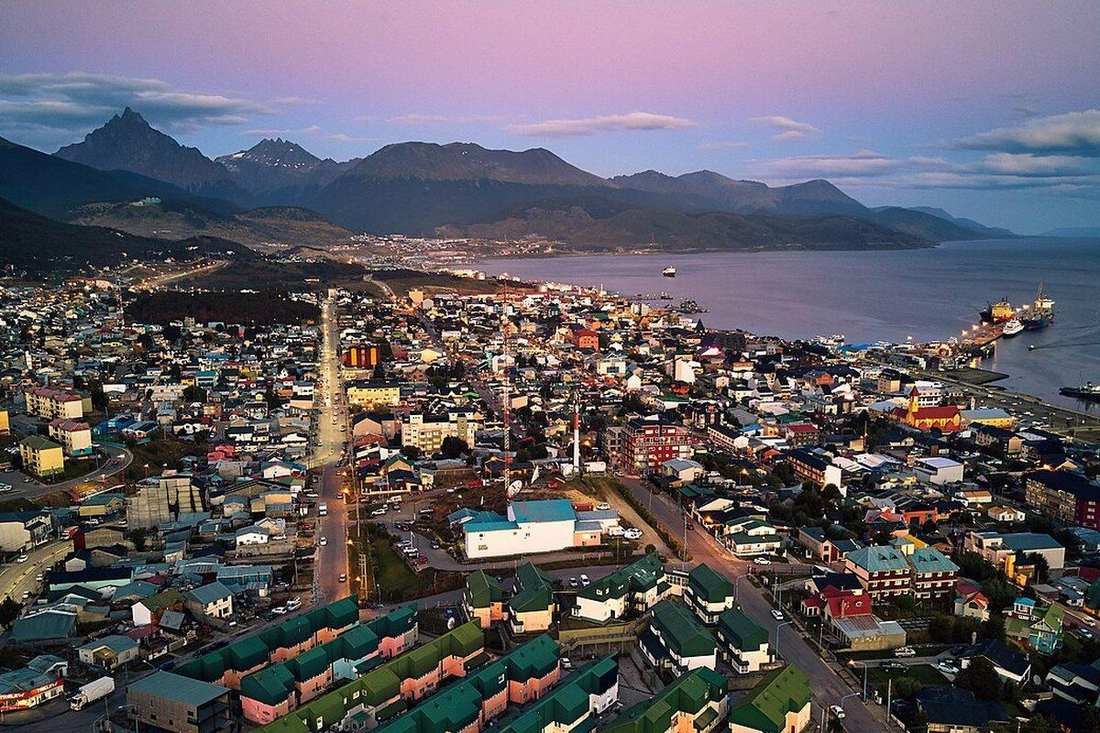
An expedition landing may never reach a town. You put on the boots and the parka the ship issues, ride a Zodiac to a beach or the ice, and walk the path the guides mark. You may stand near penguins or seals and take pictures from the distance they set. If the water is calm, some ships add a kayak or a canoe for people who asked. Weather can cancel the landing and leave you on deck. Ushuaia and Longyearbyen are towns where you can stay before or after the voyage. The landing itself is on a beach or the ice, not in a city.

When to go

Antarctic cruises run from November through March. Arctic cruises run from June through September. Cabins are booked by the route, and the better ships fill early.

Expedition boots and a red parka on a zodiac, with sea ice beyond

In port

What to expect in port

You may put on the gear, ride a Zodiac to a beach or the ice, and take pictures. Going ashore is the reason for the cruise. Weather can cancel it. The landing is on a beach or the ice, not a walk through a city.

Time in port
There often is no port. You may spend an hour or two ashore after a Zodiac ride, or the landing may be called off.
Worth the time
The landing may be the gear, a Zodiac, a short walk, and pictures. A kayak or a canoe can be added when the water is calm.
Travelers
This suits people who want a landing and pictures, and who can change the plan when the weather changes.
Also
The guides change the plan with the weather.

In port

Where the ship docks, and what you can do there

Most of these landings are not in a town. Ushuaia and Longyearbyen are the towns at the ends of the voyage.

See the ports

Sample itineraries

These are typical routings and ports. Ships, dates, and fares change.

Ushuaia at the end of the continent
Most Antarctic voyages start in Ushuaia, with the mountains behind the town.

Antarctic peninsula

10–12 nights

November–March

Ushuaia round trip

Expedition ship, typically under 200 guests

  1. A crossing of the Drake Passage, or a flight that skips that crossing
  2. Peninsula landings
  3. Another plan if the landing is canceled

Galápagos

7–14 nights

Year-round. The animals you see depend on the island

An island loop, departing from Baltra or San Cristóbal

A small expedition ship, not a big liner

  1. A naturalist sets the landing
  2. Snorkel stops
  3. No two weeks show the same animals

The Arctic ice edge

8–14 nights

June–September

Svalbard or a longer Iceland-to-ice routing

Hapag-Lloyd, Lindblad, or another line with real ice capability

  1. Landings by Zodiac
  2. Wildlife along the ice
  3. You see the midnight sun from the ship. These landings are not a shopping port

Planning Expedition Cruises?

Antarctica, the Arctic, or the Galápagos, and the month. We match the ship to how much time you want off it.

Request a quote

Tell us your name, your email, and where you want to go. We reply the same day in most cases. There is no separate agent fee.

We reply the same day in most cases.